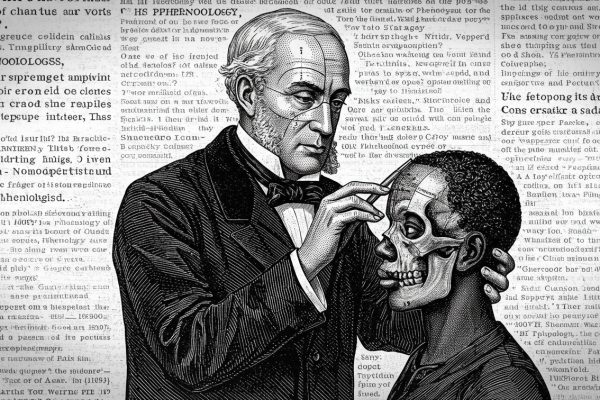
Recently, I wtach a fascinating animation called “Orb.: On the Movements of the Earth” (チ。-地球の運動について-). This historical animation, created by Uoto, is set in 15th-century Europe. It tells the story of a group of people who tried to spread the idea of the heliocentric theory—that the Earth moves around the Sun—even though they faced danger and oppression from the Church. This animation is not just about science. It also explores the tension between knowledge, faith, and freedom. Today, I want to share my thoughts on this animation.
The story of Orb. happens in a time when the Church held great power, and the geocentric theory (Earth is the center of the universe) was considered the ultimate truth. However, some scientists found this idea did not match their observations. They started to believe in the heliocentric theory, proposed by Copernicus, but spreading this idea was dangerous. The characters in the animation, known as “intellectuals,” are brave people who risked everything to prove the truth. They believed that truth cannot be hidden forever. The fight between science and religion in the story is not simple. One question stood out to me: should we choose the truth or safety? This question is still meaningful today.

A Revolution of Knowledge
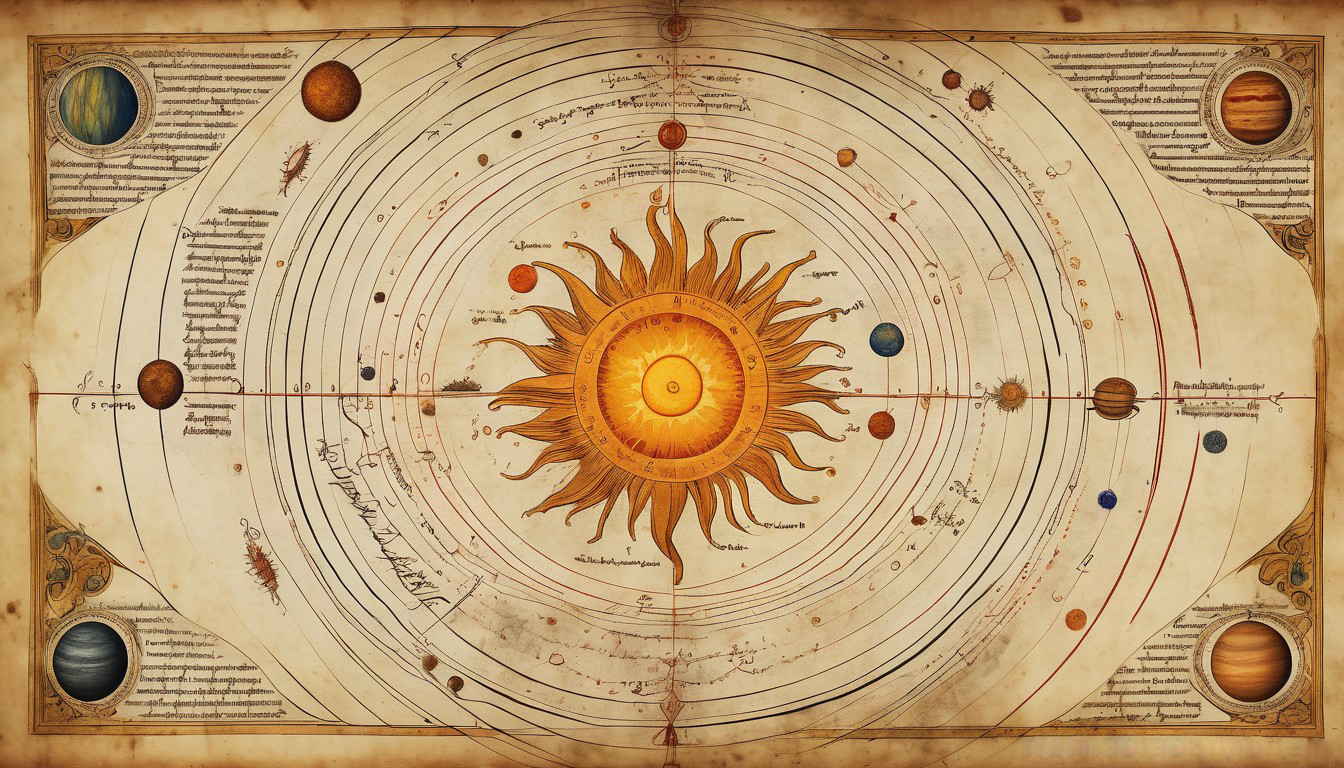
The heliocentric theory was first proposed by Polish astronomer Nicolaus Copernicus in 1543. In his book De Revolutionibus Orbium Coelestium (On the Revolutions of the Heavenly Spheres), he claimed that the Earth and planets move around the Sun. This idea was revolutionary but also dangerous because it challenged the geocentric theory supported by the Church.
In 1609, Galileo Galilei improved a Dutch optical device and built his own telescope, capable of magnifying objects about 20 times. Through this telescope, he observed Jupiter’s four moons, mountains and craters on the Moon, and countless stars in the Milky Way, challenging traditional beliefs about the universe’s structure.
Galileo’s most controversial contribution was supporting Copernicus’ heliocentric theory. This directly opposed the Church’s belief that Earth was the center of the universe, making Galileo a target of suspicion. In 1633, nearly 70 years old, Galileo was brought to Rome and tried for “vehement suspicion of heresy.” Hoping to compromise, he offered to admit disobedience to the Pope, but the Church rejected this. Under threats of torture, Galileo was forced to renounce his belief in heliocentrism. Yet, according to legend, he whispered, “And yet, it still moves!”—a testament to his belief in scientific truth, though he dared not openly defy the Church.
The last eight years of Galileo’s life were spent under house arrest, confined by the Church. Despite losing his freedom, Galileo never stopped pursuing science. During this time, he continued to write and completed several important works, leaving a lasting legacy for future scientists.
Galileo not only challenged the Church’s authority but also revolutionized scientific practice. He believed science should be a tool accessible to everyone, not restricted to the Church or academic elites. This idea deeply threatened theologians and scholars of his time. Galileo’s true “crime” might have been undermining the monopoly of theologians over truth and showing that anyone could explore the universe through observation and scientific methods.


Learning from the Past
Although the characters and events in Orb. are fictional, the background is based on real history. The animation shows how difficult it was for scientists to challenge authority in that era. The animation connects past struggles to our modern lives. It reminds us that the freedom we have now—to think, to learn, and to question—is built on the efforts of those who came before us.
The story of the heliocentric theory teaches us one important thing: the power of knowledge comes from sharing and questioning, not from suppressing or accepting. Just like the intellectuals in the animation, the scientists in history, and even the people around us today, we all have a role in discovering and spreading knowledge.
If you are interested in history, science, or stories about truth, I highly recommend Orb.: On the Movements of the Earth.