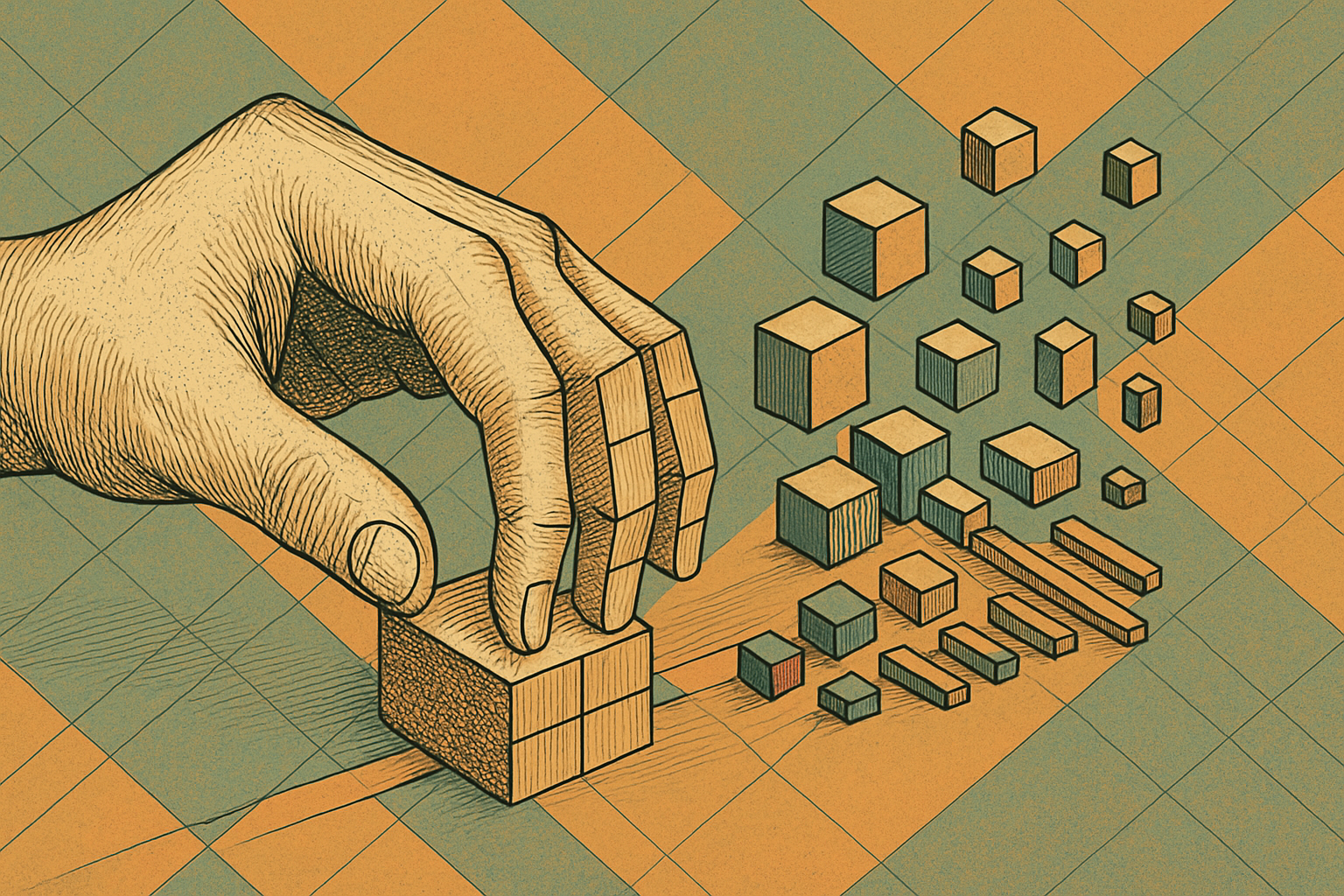
Recently, I read a book called Perfect Practice. The subtitle is “42 Rules for Getting Better at Getting Better” Clearly, it’s a book about learning. But it’s not motivational fluff—it breaks down what effective practice really means. One quote stuck with me: Practicing correctly is more important than practicing repeatedly.
最近讀了《完美練習》這本書,中文副標題是「成功解鎖1萬小時魔咒,將技能轉化為本能的學習法則」,一看就知道是跟學習有關。不過它不是在講雞湯,而是實用地拆解了什麼叫「有效練習」。有一句話我很認同:正確的練習,比重複練習重要。
From “Happy Playing” to “Segmented Practice”
我從「快樂彈琴」轉向「拆解式練習」
When I was younger, I learned piano in a pretty casual way. My teacher wasn’t the strict type, and while I enjoyed it, I didn’t make much progress. Last year, I asked a friend who plays really well how she practiced. She told me her teacher made them practice slowly in segments, always with a metronome, never playing wrong notes even at slower speeds, and only moving on after each section was solid.I tried it—and it worked. This method of breaking things down + slowing down + focusing on correctness was way more efficient. I used to give up halfway through a piece because I kept getting stuck, but now I can get most of it down more quickly and solidly.
自己小時候學鋼琴的方式其實很隨性,老師也不是走嚴格訓練派,當時的我就是快樂學習,沒什麼壓力,但也沒什麼成果。去年我好奇問一位彈得很好的朋友,她說老師要求「分段慢練」,一定要搭配節拍器,速度可以慢,但音不能錯,一小段練熟才可以往下一段。我試著照做後發現,這種拆解+慢速+正確的練法效率真的高很多,以前常常一首曲子練到一半卡住就放棄,但現在透過這樣的練法,反而更容易把整首曲子練成。
Key Takeaways from the Book
書中幾個讓我印象深刻的觀念
The book is packed with insights, but here are a few that really resonated with me:
1. Wrong practice makes you better at doing it wrong.
If you keep repeating a mistake, you’re just reinforcing the wrong memory. This reminded me of my old piano habits—playing through mistakes without fixing them just made the errors more ingrained.
2. Break skills down into smaller, manageable parts.
Rather than trying to master everything at once, breaking skills into smaller chunks helps you make progress faster.
3. Reset vague goals into measurable targets.
Instead of saying “I want to play this piece well,” try “This week, I’ll get these 8 bars right at 60 BPM.” Specific, measurable goals move you forward more reliably.
4. Feedback should guide, not judge.
Rather than vague praise or criticism, good feedback highlights what needs to be corrected and how. Correction is more constructive than judgment.
5. Practice in real-world settings to fully internalize skills.
Simulating performance or work scenarios helps integrate what you’ve learned and exposes weaknesses that don’t always show up in isolated drills.
這本書內容其實滿豐富的,但我挑幾個對我特別有共鳴的觀念整理一下:
1. 錯誤的練習只會越練越錯
重複做錯的動作,等於在強化錯誤。這讓我想到自己以前鋼琴亂彈的日子,沒有停下來修正,反而一直加深錯誤記憶。
2. 拆解技能,變得更具體
把技能拆成小單元,逐個攻破會比一次練整套更有效率。
3. 重設目標,轉換成「可以衡量」的標的
比起「我想彈好這首曲子」,設定成「這週要在60的拍速下把這8小節完整彈對」,這種具體的小目標會更容易推進。
4. 有效的回饋比評價重要
給予回饋的話,只說做得好不好,不如指出哪裡沒做好、要怎麼修正。糾正比批評更有建設性。
5. 在真實情境中練習,讓成果真正內化
模擬演出或工作實境去練,能幫助整合各項技能,也讓不容易在練習時很好,實戰馬上走鐘。
My Reflection: Mastery is Made of Small Wins
我的反思:拆解與累積,才是真正的學會
Breaking a skill into steps and setting measurable standards helps me see progress sooner and avoid giving up halfway. This mindset applies to more than just piano—I’ve found it useful in baking, writing, and learning job-related skills too.I’m also glad I had early exposure to music and sports. It taught me to appreciate progress made through practice. Many people want results fast or fear failure. But if you learn to enjoy the journey from “not yet” to “almost there,” practice becomes fulfilling in itself.
把一個技能拆成小步驟、並設定可衡量的標準能讓我更快看到進展,也不容易中途放棄。而這種思維其實不只用在練琴,我發現我練習做甜點、寫文章甚至學一些工作技能時,也都能套用這種模式。我也很慶幸在成長過程中接觸過樂器和運動,我覺得這幫助我對「透過練習看到進步」這件事不會感到陌生。很多人想學新技能的時候,可能太急著看到成果、或太怕自己做不好,但如果能享受那個從不會到會的過程,練習本身就會變成一種滿足。
Final Thoughts: For Anyone on the Practice Path
總結:給也在練習路上的你
- Practice isn’t just about repetition; it’s about correction
- Break things down before building them up
- Set specific, measurable mini-goals
- Don’t be afraid to pause and refine your approach
If you’re working on any skill—language, sports, music, writing, or work-related tasks—this book might give you a fresh perspective on how to practice, and help you move forward without getting stuck or giving up.
- 練習不要只是重複,要能「修正」
- 先拆解再組合,技能才能真正變成本能
- 設定具體的可衡量小目標
- 別怕停下來重新整理做法
如果你也有正在練什麼技能(不管是語言、運動、樂器、寫作或工作技能),這本書可能會讓你對「怎麼練才有效」有新的理解,也許能讓你在中途不再卡關、也不容易半途放棄。