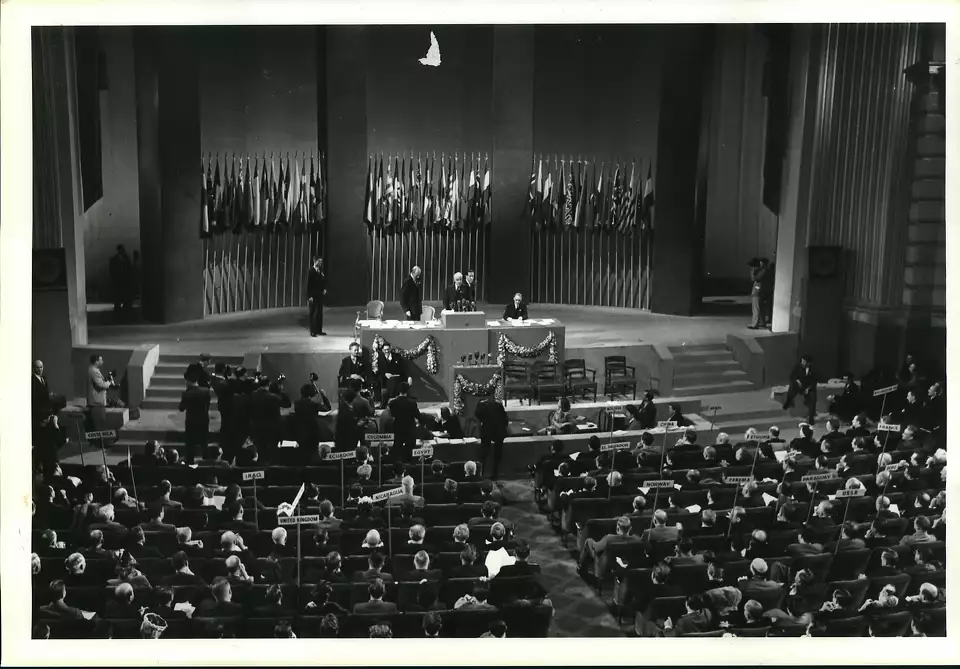
Taiwan’s “Undetermined Status” Resurfaces
台灣地位未定論再浮上檯面
Recently, the United States has brought up the concept of Taiwan’s “undetermined status,” sparking discussions online. For many Taiwanese, this idea feels both familiar and strange. It is familiar because Taiwan’s status has been disputed in post-war international politics; it is strange because long-term education and state narratives have equated the Republic of China (ROC) with Taiwan. The central question I want to explore is: How can Taiwan find its own legitimacy as a nation within the complexities of history and international law?
這幾天美國提出「台灣地位未定論」在網路上掀起一波討論,這個論點對多數台灣人而言既熟悉又陌生。熟悉的部分是因為戰後國際政治中台灣的地位一直存在爭議;陌生則是因為長期的教育與黨國敘事,讓多數人將「中華民國」等同於台灣。我想說的核心問題是:台灣究竟要如何在歷史與國際法中找到自己的國家正當性?
Taiwan’s Colonial and Power-Transition History
台灣的殖民與權力轉換歷史
Looking back, Taiwan has long been under the rule of external powers. In the late 17th century, the Qing Empire formally incorporated the western part of Taiwan into its territory. However, it was always considered a peripheral area, with limited governance, and never treated as core territory.
回顧歷史,台灣長期處於外來政權的支配之下。清帝國在 17 世紀末正式將台灣西邊的一部分納入版圖,但始終視為邊陲之地,治理有限,並沒有將台灣視為核心領土的一部分。
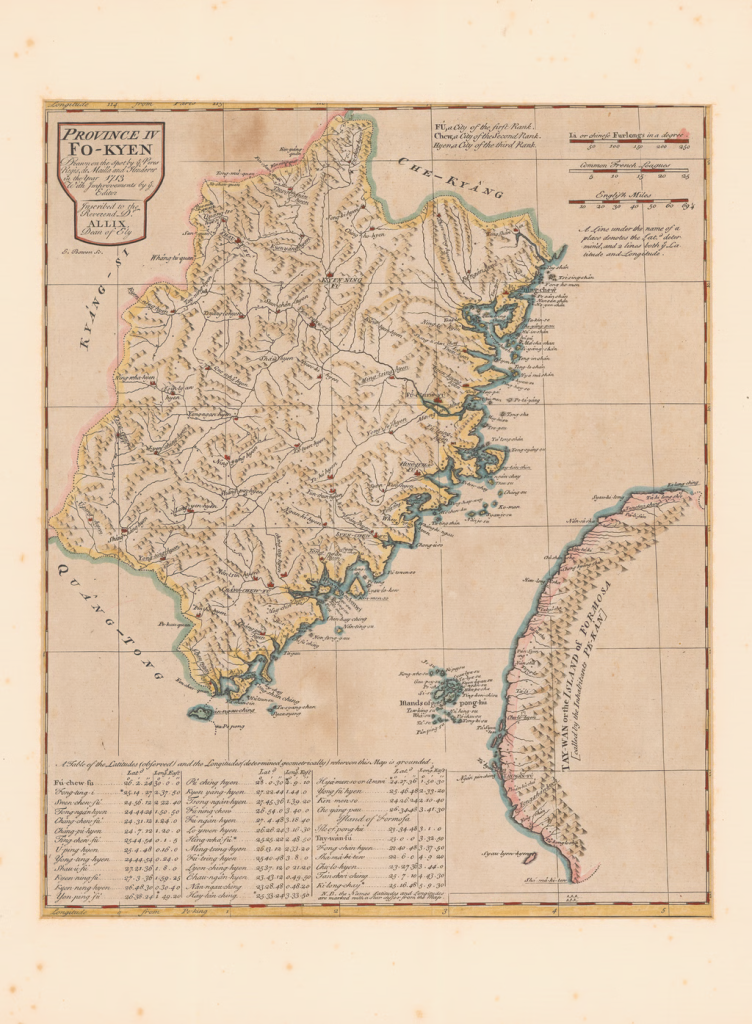
Map of Fujian Province from the “Complete Map of the Imperial Territory”
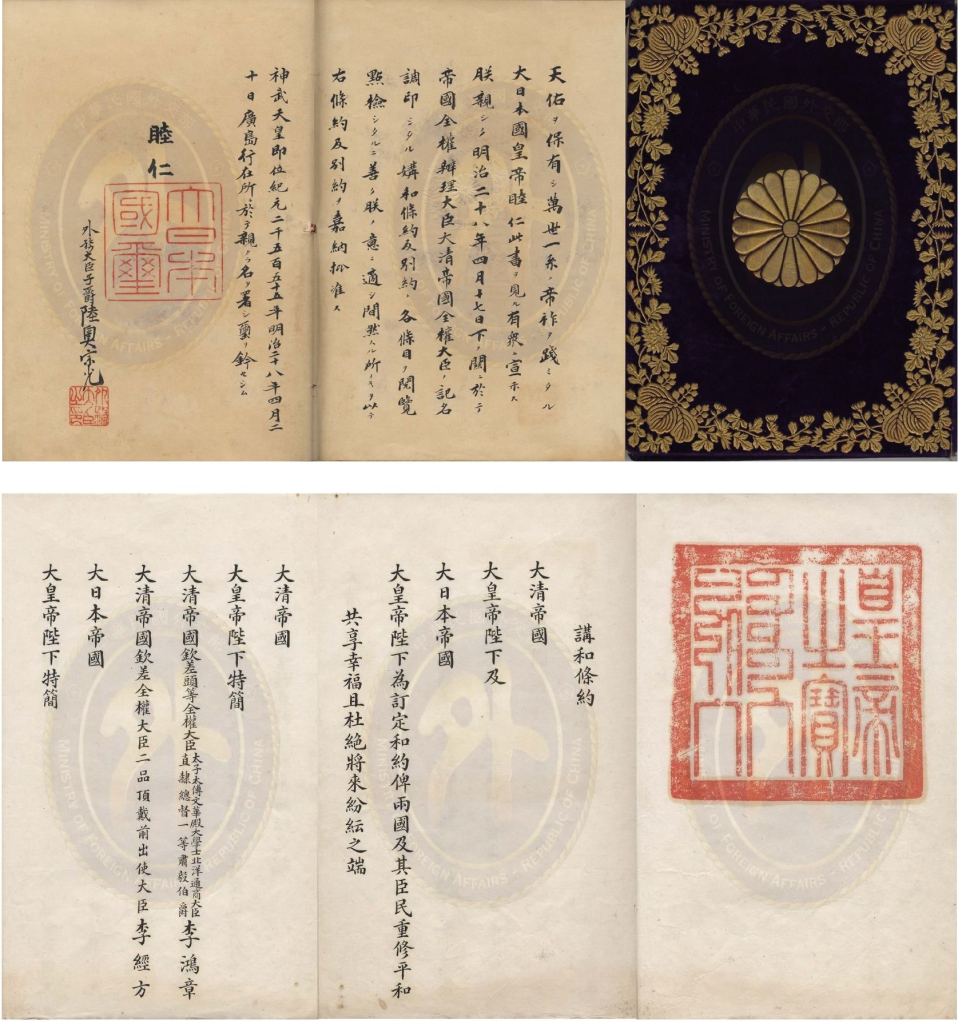
After the 1895 Treaty of Shimonoseki, Taiwan was ceded to Japan. Colonial rule brought oppression but also promoted modernization, including infrastructure, education, and healthcare. More importantly, during half a century of Japanese rule, a local identity emerged that differed from the colonial mother country, forming a foundation for Taiwanese people to later seek their own selfhood.
1895 年《馬關條約》後,台灣割讓給日本。殖民統治在帶來壓迫的同時推動現代化建設,包括基礎設施、教育與醫療體系。關鍵的是在半世紀的日本統治下,逐漸形成一種不同於殖民母國的在地身分意識,這成為台灣人日後追尋自我主體性的基礎。
After World War II, Taiwan and Penghu were placed under the administration of the Republic of China (ROC) by the Allied powers. This was not a formal transfer of sovereignty through a treaty but a military occupation arrangement. Under international law, most territories under Allied trusteeship after WWII were entitled to self-determination and could theoretically choose to become independent. However, Taiwan’s path to self-determination was blocked by Chiang Kai-shek’s regime, which incorporated Taiwan into China under the name of “recovery.”
二戰結束後,台灣與澎湖被盟軍交由中華民國政權託管。這並非透過條約的主權移交,而是一種「軍事佔領」性質的安排。從國際法角度來看,二戰後多數被盟軍託管的殖民地,本應享有自決權,理論上可以選擇建立獨立國家。然而,台灣的這條自決路徑卻被蔣政權以「光復」之名直接納入中國框架,使這項權利無法實現。
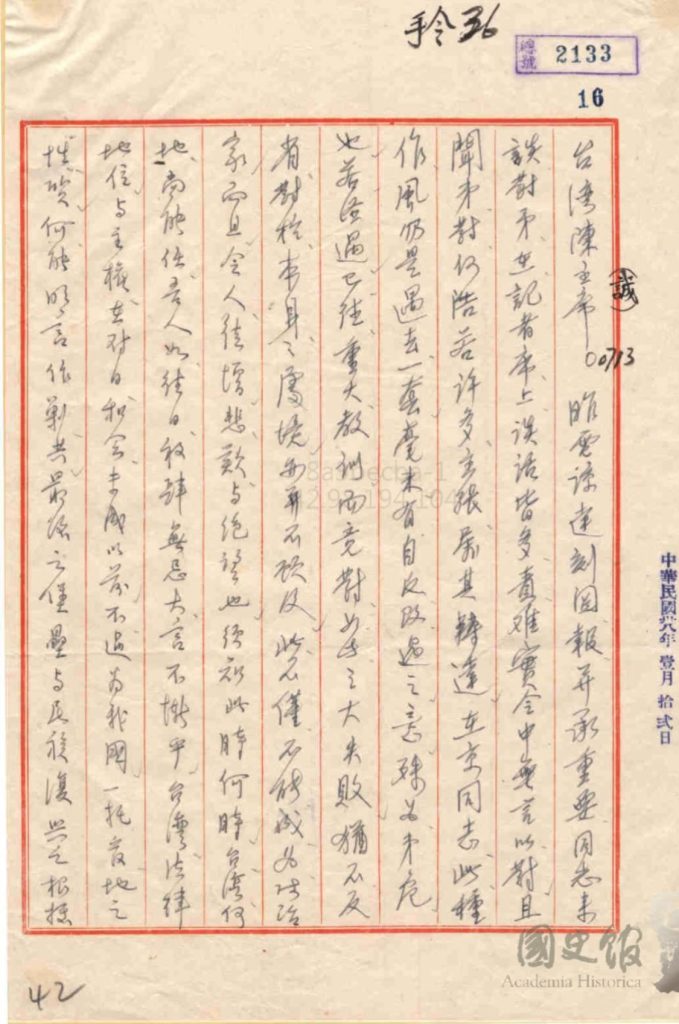
Chiang Kai-shek’s letter to Chen Cheng, noting “Taiwan is only a trusteeship territory” .
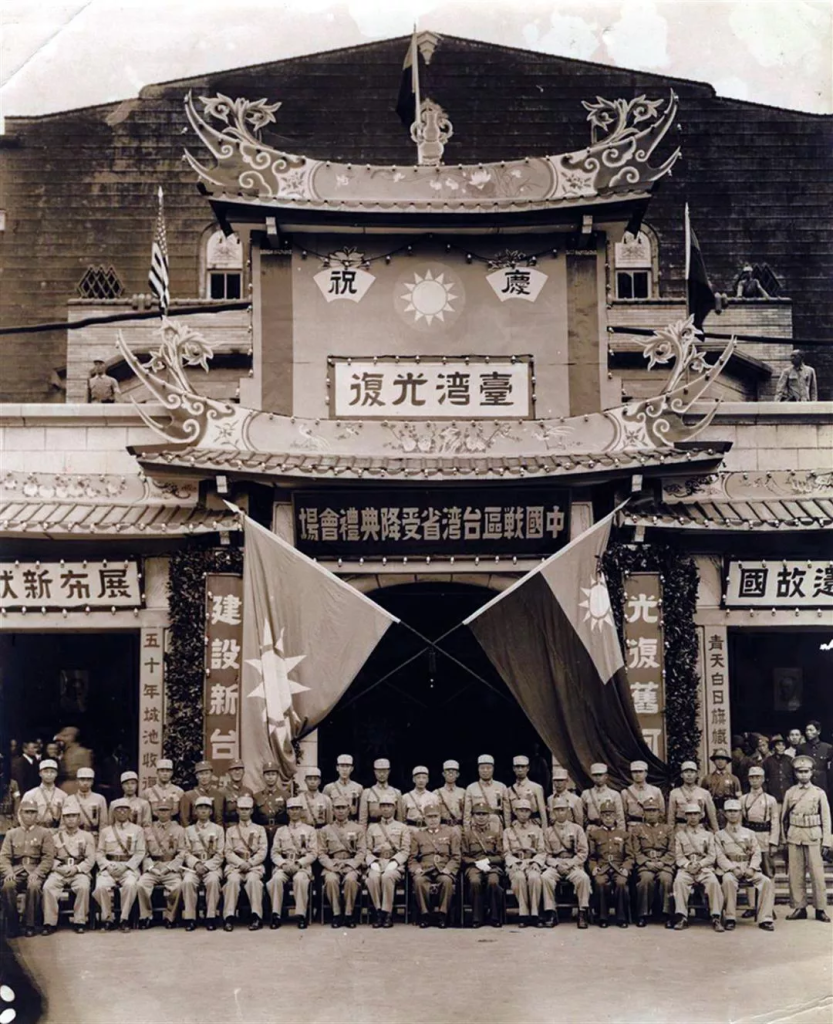
On October 25, 1945, the surrender ceremony took place at Taipei City Hall, which is today known as Zhongshan Hall.
International Law and the Meaning of the “Undetermined Status”
國際法與「未定論」的意義
Post-war international law documents highlight the contradictions in Taiwan’s status. The 1943 Cairo Declaration and the 1945 Potsdam Proclamation were often used by the ROC to claim that Taiwan had been “returned” to China. However, these documents were political declarations without treaty power. The legally binding agreement was the 1951 Treaty of San Francisco: Japan renounced its rights to Taiwan and Penghu, but the treaty did not specify to whom sovereignty belonged, and the ROC was not a signatory. In other words, under international law, Taiwan’s sovereignty remains legally unresolved.
This “undetermined” status sparked international disputes at the time. In 1946, Governor Chen Yi unilaterally declared that Taiwan residents automatically became ROC nationals and initiated conscription. The British government, one of the Allied powers, immediately protested, stating that since Taiwan’s sovereignty was not settled by treaty, the ROC, as an occupying authority, had no right to unilaterally change the residents’ nationality or enforce conscription. Although the United States did not issue a public protest, State Department documents repeatedly emphasized that “Taiwan’s status remained undetermined,” deliberately avoiding recognition of the ROC’s sovereignty over the island. Washington’s position at the time was shaped less by confidence in Chiang Kai-shek than by strategic necessity: during the early Cold War, the U.S. still regarded him as a convenient bulwark against communist expansion, despite deep concerns about corruption within his regime.
The “undetermined status” did not emerge today; it was the inevitable result of post-war international law logic. It reveals one fact clearly: Taiwan has never been formally transferred to any country through a treaty.
戰後的國際法文件,正好反映了台灣地位的矛盾。1943 年的《開羅宣言》與 1945 年的《波茨坦公告》,常被中華民國用來宣稱台灣已經「歸還中國」。但這些文件本質上是政治宣言,並不具有條約效力。真正具有法律效力的,是 1951 年的《舊金山和約》:日本放棄台灣與澎湖的權利,但條約並未指明主權歸屬,更關鍵的是,中華民國並非簽署國。換言之,國際法層面至今仍未對台灣主權做出明確安排。
這種「未定」狀態在當時就引發國際爭議。1946 年,行政長官陳儀強行宣布台灣居民自動取得中華民國國籍,並推動徵兵。同盟國之一的英國政府隨即提出抗議,認為既然台灣主權尚未透過條約確定,中華民國只是佔領當局,無權片面改變居民國籍,更無權強制徵兵。美國雖未公開抗議,但在國務院文件中多次強調「台灣地位未定」,刻意避免承認中華民國對台灣的主權。當時美國的立場並非出於對蔣介石的信任,而更多是基於戰略考量:在冷戰初期,美國仍將他視為反共的暫時屏障,即便對其政權內部的貪腐早已心存疑慮。
「未定論」並不是現在才出現,而是戰後國際法邏輯的必然結果。它揭示了一個事實:台灣並未經由正式條約被移交給任何國家。
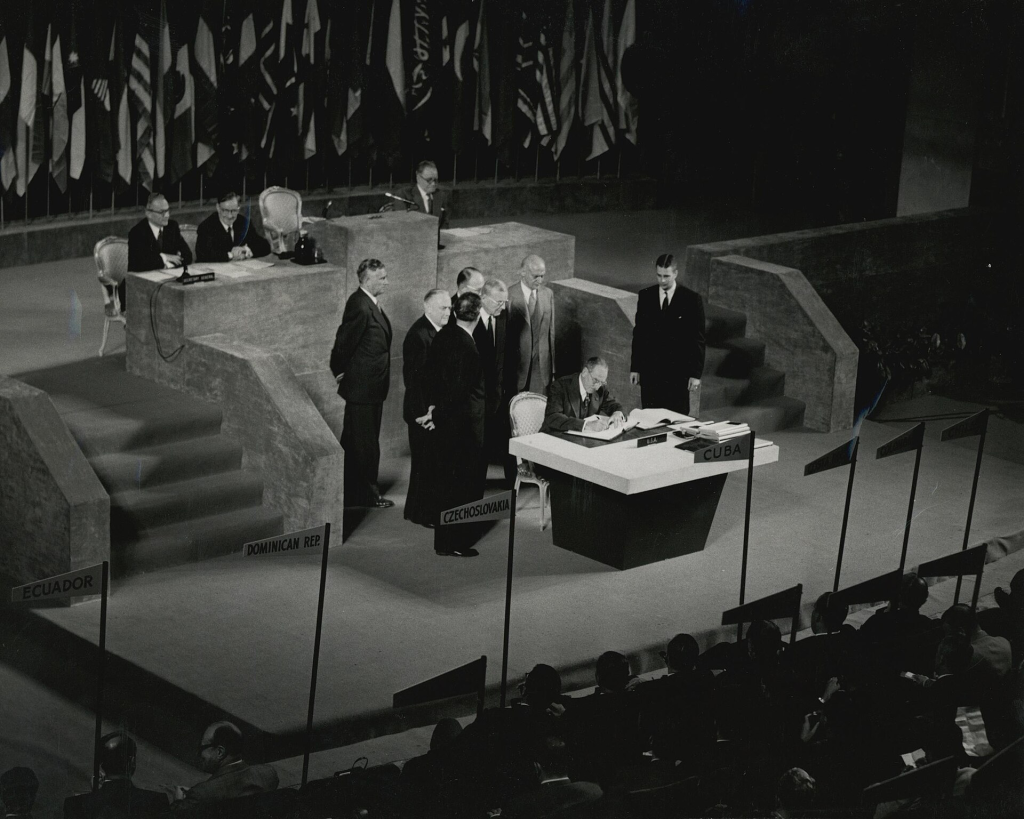
Taiwan Caught in the Chinese Civil War
台灣被捲入中國內戰的結果
As the Chinese Civil War ended in defeat, Chiang Kai-shek’s regime retreated to Taiwan in 1949. Taiwan, originally an Allied-administered territory, quickly became an extension of the Chinese Civil War. This shift forced Taiwanese people into political struggles they did not choose and complicated Taiwan’s international status.
In education and ideology, the ROC government strongly promoted the narrative of “recovering Taiwan,” equating the ROC with Taiwan. Generations of Taiwanese were taught to see the two as one. However, the core of this narrative was not Taiwan itself but maintaining the idea of “China” and legitimizing the government.
Meanwhile, the ROC and the People’s Republic of China (PRC) competed internationally for the “representation of China.” Regardless of which side won, this struggle had little to do with the will of the Taiwanese people, leaving Taiwan as an adjunct in a power struggle rather than a self-determining subject.
隨著中國內戰失利,蔣介石政權於 1949 年退守台灣。原本作為盟軍託管地的台灣,迅速被納入中國內戰的延伸戰場。這種轉折,使台灣人被迫捲入並非自身選擇的政治鬥爭,也使台灣的國際地位更加複雜。
在教育與意識形態上,中華民國政權大力推動「光復台灣」敘事,將「中華民國」與「台灣」等同,培養世代台灣人將兩者視為一體。然而,這種敘事的核心並非台灣,而是維繫「中國」的想像與政權合法性。
同時,中華民國與中華人民共和國在國際上爭奪「中國代表權」,各方力量角逐誰能代表中國的席次。無論哪一方勝出,這場爭奪本質上都與台灣人民的主體意志無關,台灣被迫成為兩岸權力角逐的附屬品,而非自主決策的主體。
Breaking Free from the China Framework: Rebuilding Taiwan’s Agency
走出中國框架,重建台灣主體
Taiwan today faces a dilemma, still trapped within the narrative of “China.” Both the ROC and the PRC view themselves as regime of “China,” which keeps Taiwan perpetually seen as a “separated part” and limits its sovereign legitimacy. The deeper danger is this: on the international stage, Taiwan is often treated as merely an extension of the unresolved Chinese civil war, rather than as a subject with its own right to determine its future. If China were to launch military aggression against Taiwan, the world might hesitate to intervene on the grounds that it is a “domestic conflict.” Tibet is a sobering example: in 1951, it was forced to sign the “Seventeen Point Agreement” with the PRC, which nominally promised autonomy but in reality led to full incorporation into China. Because the issue was widely seen as an “internal matter of China,” Tibet lost any meaningful chance of international support.
Only by breaking free from the China framework can Taiwan assert its own history and the will of its people as the foundation of agency. From late Qing peripheral governance, to Japanese colonial modernization, to post-war ROC administration, Taiwan’s history and social development have never been mere extensions of China. The “undetermined status” is not a threat to the Taiwanese people but an opportunity. At this moment, Taiwan has the chance to rebuild its sovereign legitimacy and stand on the international stage with its own name and agency. Only by asserting itself as the subject can Taiwan establish stronger security internationally and reduce the risk of being threatened by China’s military power.
今日台灣的困境,在於仍被困在「中國」的敘事之中。無論「中華民國」還是「中華人民共和國」,都將自己視為「中國」政權,讓台灣永遠只能被看作「分裂出去的一部分」,主權正當性受到限制。更深層的危險在於:在國際舞台上,台灣往往被視為「中國內戰」的延伸,而非一個擁有自主決定未來權利的主體。如果中國對台灣發動武力侵犯,國際社會可能會因其被定義為「內戰」而難以介入。圖博 (西藏) 就是前車之鑑:1951 年圖博被迫與中共簽訂《十七條協議》,名義上保留自治,實際上卻被完全納入中國版圖。由於外界普遍將其視為「中國內政」,西藏從此失去了國際援助的空間。
唯有脫離中國框架,台灣才能以自身歷史與人民意志為主體。從清末邊陲治理、到日本殖民現代化建設,再到戰後中華民國政權的統治,台灣人的歷史與社會發展並非中國主體的附屬。「地位未定論」並不是對台灣人民的威脅,我們反而可以看作是一個契機。在這個時刻台灣有機會重建自身的主權正當性,並以自己的名字站上國際舞台。唯有以自身為主體,台灣才能在國際上建立更穩固的安全保障,降低被中國武力威脅的風險。
A Song at the End: Imperial Army by Chthonic
最後的一首歌:閃靈〈皇軍〉
At the end of this article, I want to introduce a song — Imperial Army by Chthonic, a metal band from Taiwan known for blending extreme metal with Taiwanese history, folklore, and political themes. On the surface, the lyrics seem to glorify Taiwanese joining the Japanese imperial army and becoming part of its empire. Yet the true meaning is ironic. The song reveals the sorrow of Taiwanese people who, for centuries, have been forced to fight in wars that were never their own, never knowing for whom they were truly fighting.
在文章的最後我想分享一首歌,是閃靈的〈皇軍〉。閃靈是一支來自台灣的金屬樂團,作品以金屬結合台灣歷史、民間傳說與政治議題。這首歌的歌詞表面上看似在歌頌台灣人投入皇軍、成為日本帝國的一份子,但真正的寓意卻是反諷。它唱的是台灣人在幾百年的歷史中,不斷被迫參與不屬於自己的戰爭,始終無法真正決定自己要為誰而戰的悲哀與無奈。
Vultures fly, circling the dark skies
Plucking carrion from the ground
Blood red sun, territory incise
Marching forward without sound

Carved into flesh, written in blood
Symbols burned so deeply in the mind
Gathering clouds, threatening skies
The sun's rays left me blind

Ghosts of the past bound and tied
Honor's scars fade, glory dies

Vultures fly, circling  the dark skies
Plucking carrion from the ground
Blood red sun, territory incise
Marching forward without sound

Deep within you, souls of the past bound and tied
Bright sun burning, the lines melt as glory dies

Carved into flesh, written in blood
Symbols burned so deeply in the mind
Gathering clouds, threatening skies
The sun's rays left me blind

大港起風湧 Toā-káng khí hong-íng
堂堂男兒欲出征 Tông-tông lâm-jî beh tshut-tsing
氣勢撼動高雄 Khì-sè hám-tōng Tha-khá-ooh
齊開向你我前程 Tsê khai hiòng lí guá tsiân-tîng

妳佇港邊相送 Lí tī káng pinn sio-sàng
淚眼咧看阮的船影 Luī-gán leh khuànn guán ê tsûn-iánn
請等待我凱旋轉來 Tshiánn tán-thāi guá khái-suân tńg--lâi
繼續咱未圓的夢 Kè-siok lán bī-uân ê bāng

大港起風湧 Toā-káng khí hong-íng
堂堂男兒欲出征 Tông-tông lâm-jî beh tshut-tsing
氣勢撼動高雄 Khì-sè hám-tōng Tha-khá-ooh
齊開向你我前程 Tsê khai hiòng lí guá tsiân-tîng