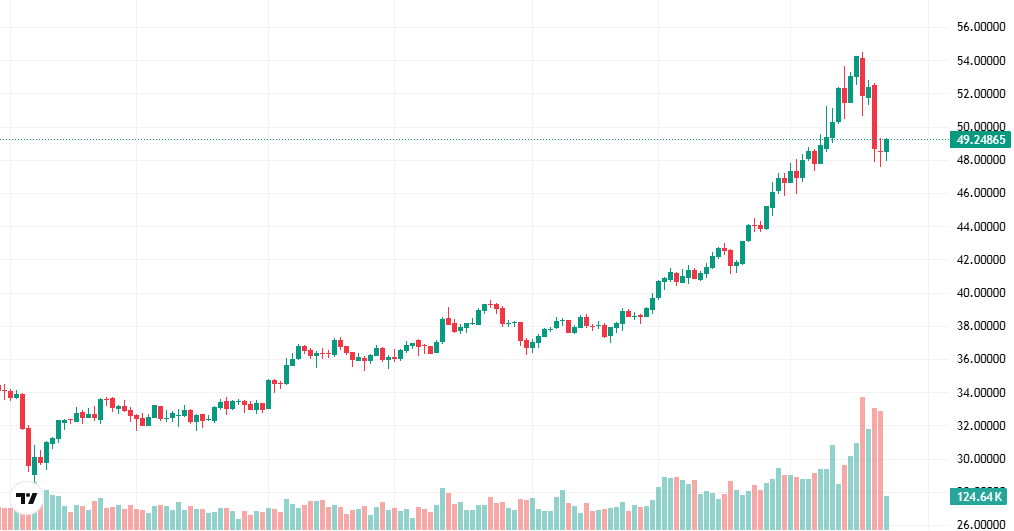
Last week, gold led the surge in precious metals to a historic high — and silver soon followed, drawing fresh attention from investors and the media. Unlike gold’s brilliance and prestige, silver has always been quieter, almost understated. Yet throughout human history, it has played a vital role in faith, authority, and trade — shaping civilizations in ways that often go unnoticed. In this article, we’ll trace how silver has moved through time — from sacred rituals and imperial mints to colonial mines and modern industries — and how it has reflected humanity’s ongoing pursuit of trust and order.
上週貴金屬由黃金領頭衝上了歷史高點,白銀的價格也隨之暴漲,引起市場及媒體的注意。相較於黃金的耀眼,白銀並不是太高調。然而在漫長的人類歷史中,白銀曾在信仰、權力與貿易體系中扮演非常關鍵的角色,甚至在無形之中影響文明的走向。今天想來聊聊白銀從宗教祭祀到帝國鑄幣,從殖民開採到現代工業的過程中,這種金屬是如何穿越時代,參與人類建立的信任與秩序。
The Metal of Moonlight
月光之金屬
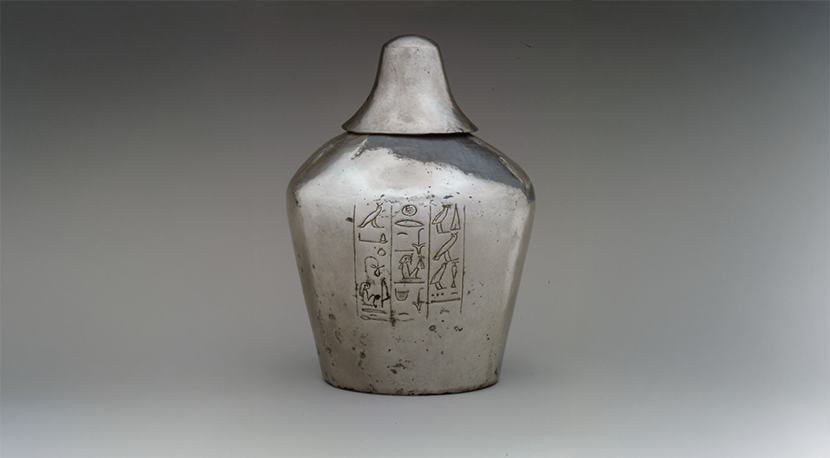
In early civilizations, silver was first valued for its sacred meaning. Its pale, luminous color — reminiscent of moonlight — symbolized purity and transcendence. It was frequently used in religious ceremonies and royal insignia, linking earthly power with divine order.
In ancient Egypt, silver was associated with the moon goddess; in Mesopotamia and Greece, silver vessels were used in offerings to the gods, representing cleanliness and devotion.
Over time, as societies grew more complex, silver began to leave temples and palaces, entering marketplaces and trade. Its malleability and rarity made it a natural medium of exchange — one of humanity’s earliest forms of “proto-currency.”
白銀在人類早期文明中,首先被賦予的是神聖的意義。它的色澤如月光般潔淨,象徵純淨與超凡,常用於宗教儀式與王權象徵。
在古埃及,白銀被視為月亮女神的金屬;在美索不達米亞與希臘,祭祀神明的器皿往往以白銀製成,代表潔淨與虔誠。這些用途顯示出白銀在早期社會中不僅是物質資源,更是通往神聖秩序的媒介。
隨著社會結構逐漸複雜,白銀開始走出神殿與宮廷,進入市集與人群之間。它的可塑性和稀有性,使人們自然而然地將其用作交換媒介,成為最早的「準貨幣」。
Empires and the Flow of Silver
帝國鑄幣與全球流通
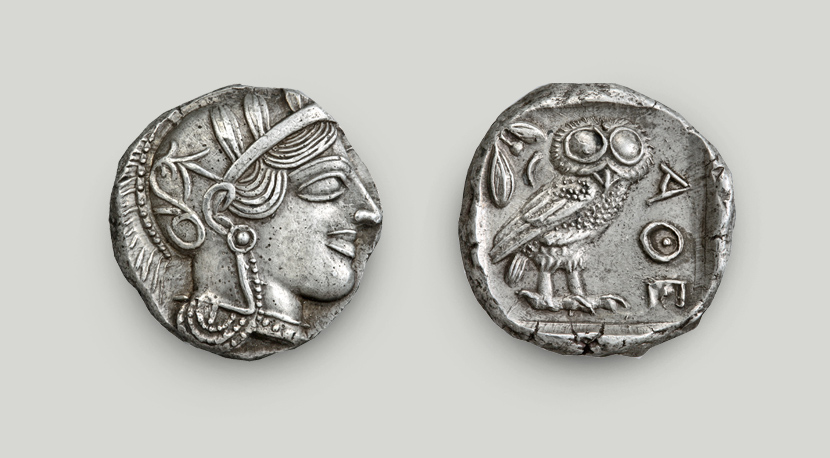
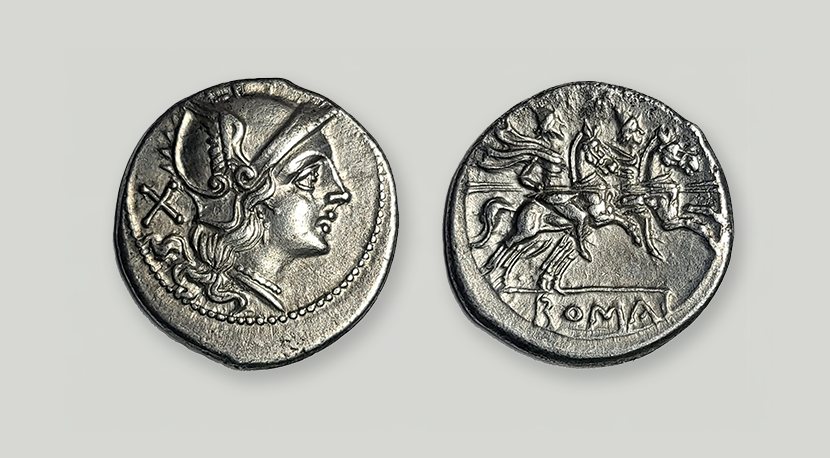
As city-states and empires rose, silver’s role became institutionalized. The Greek drachma and the Roman denarius were both minted in silver, symbolizing national authority and credibility. Coins were not just instruments of trade — they were political statements, each stamped with the face of power.
In the East, silver entered trade and taxation during the Tang and Song dynasties. By the Ming dynasty, the “Single Whip Reform” tied the empire’s fiscal system to silver, making it the foundation of state operations.
From the sixteenth century onward, massive mining in Potosí, in today’s Bolivia, flooded the world with silver. Transported by Spanish ships, it flowed into Europe, then across the oceans into China, creating one of the first truly global trade networks. Silver connected East and West economies — the world’s earliest form of global currency.
當城邦與帝國興起後,白銀的角色進一步制度化。古希臘的德拉克馬、羅馬帝國的丹納利烏斯,都是以白銀鑄幣,象徵國家的統治與信用。貨幣作為交易工具以外也是權力的延伸,而銀幣上的畫像正是主權的每日宣告。
在東方,唐宋以來白銀逐漸參與貿易結算。到了明代,「一條鞭法」的實施更將稅制與白銀緊密結合,使得白銀成為國家運作的基石。
16世紀以後,美洲的波托西銀礦被大規模開採,源源不絕的白銀經西班牙流入歐洲,再穿越海洋進入中國,形成了早期全球化的貿易網絡。白銀成為東西方經濟聯繫的核心媒介,也是世界史上第一個真正「全球流通」的商品。
The Cost of Extraction
殖民與代價
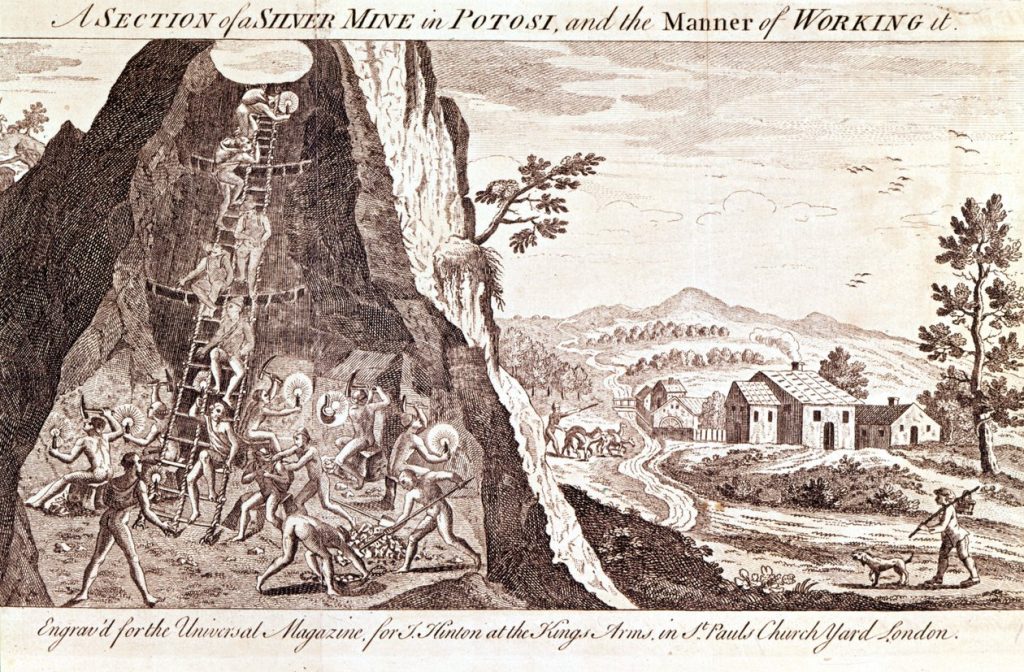
The silver boom came at a staggering human and environmental cost. The mines of Potosí, once called “the mountain that eats men,” consumed countless Indigenous and enslaved laborers. Many perished from exhaustion, disease, or suffocation deep underground. Historians estimate that millions lost their lives in pursuit of this single metal.
Beyond human suffering, the ecological toll was immense. Silver smelting required vast amounts of timber and water, leading to deforestation, river contamination, and poisoned soil. In becoming a symbol of imperial wealth, silver also carved scars into the lands and people who extracted it.
但白銀的輝煌也伴隨沉重代價。波托西銀山的開採是建立在極高的人力犧牲上,無數原住民與契約勞工被迫在缺氧、潮濕的礦坑中長期工作,許多人因塵肺、飢餓或事故而死亡。歷史學家估計,光是波托西一地,就有數百萬人因此喪生。
除了人力剝削,環境也受到大量破壞。銀礦冶煉需大量木材與水源,造成森林砍伐與河川污染,土地被重金屬毒化,當地的生態系統幾乎被摧毀。白銀在成為帝國財富象徵的同時,也在礦藏當地留下傷痕。
From Currency to Technology
從貨幣到科技金屬
As modern financial systems developed, silver gradually retreated from its monetary role. The adoption of the gold standard and paper money ended its era as a currency base. Yet silver found new life in technology and science.
In the 19th century, silver nitrate became essential for photography. In the 20th and 21st centuries, silver’s conductivity, reflectivity, and antimicrobial properties made it vital for electronics, solar panels, and medical instruments. Its value was no longer fixed by state decree or coinage, but by innovation and industrial demand.
隨著近代金融體系成熟,白銀逐漸退出貨幣舞台。金本位與紙幣制度的建立,使它不再支撐國家信用。然而,白銀並未因此淡出歷史,而是以另一種形式延續生命。
19世紀的攝影術倚賴銀鹽感光,白銀因此成為影像技術的基礎。20世紀起,它又進入電子、醫療與能源產業。其導電、導熱性及抗菌的特性,使它在太陽能板、半導體與醫療器械中扮演不可或缺的角色。在這個階段,白銀的價值不再僅取決於國家鑄幣,而與全球科技與產業需求緊密相連。
Trust and Continuity
信任與循環
From temple offerings to imperial coinage, and from camera lenses to solar panels, silver’s story mirrors humanity’s evolving systems of belief, power, and value. It has witnessed the birth of globalization and the transformation of economies — always adapting, always essential.
At its core, civilization depends on trust — in metals, in systems, and in the shared idea of value. Silver may never have shone as brightly as gold, but its quiet persistence has shaped our world in lasting ways, reflecting not just wealth, but the continuity of human order.
從古代神廟的供器,到帝國貨幣,再到太陽能電池與電子導線,白銀見證了宗教信仰的轉變、帝國興衰、全球化的誕生,也記錄了科技如何重塑價值。
文明的基礎往往建立在某種信任循環上,例如對金屬的信任,對制度的信任。白銀或許從來沒有像黃金那樣奪目,它的影響卻長期滲透在經濟與文化的深層結構中,在歷史運轉中成為一股安靜卻持久的存在。