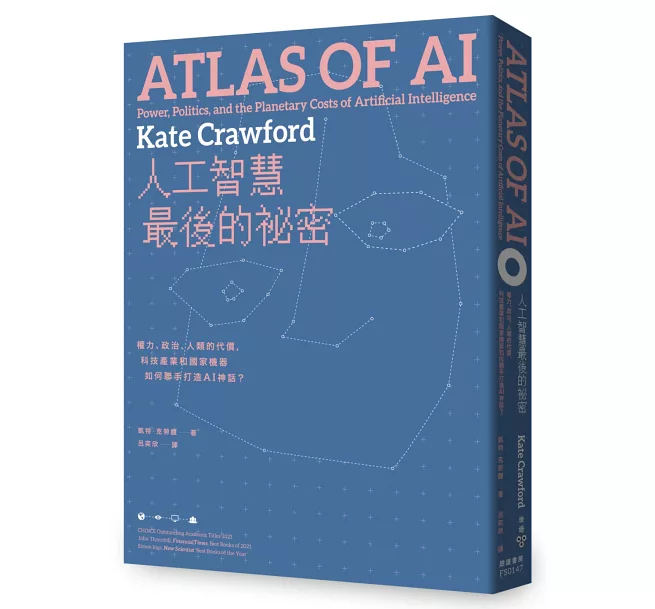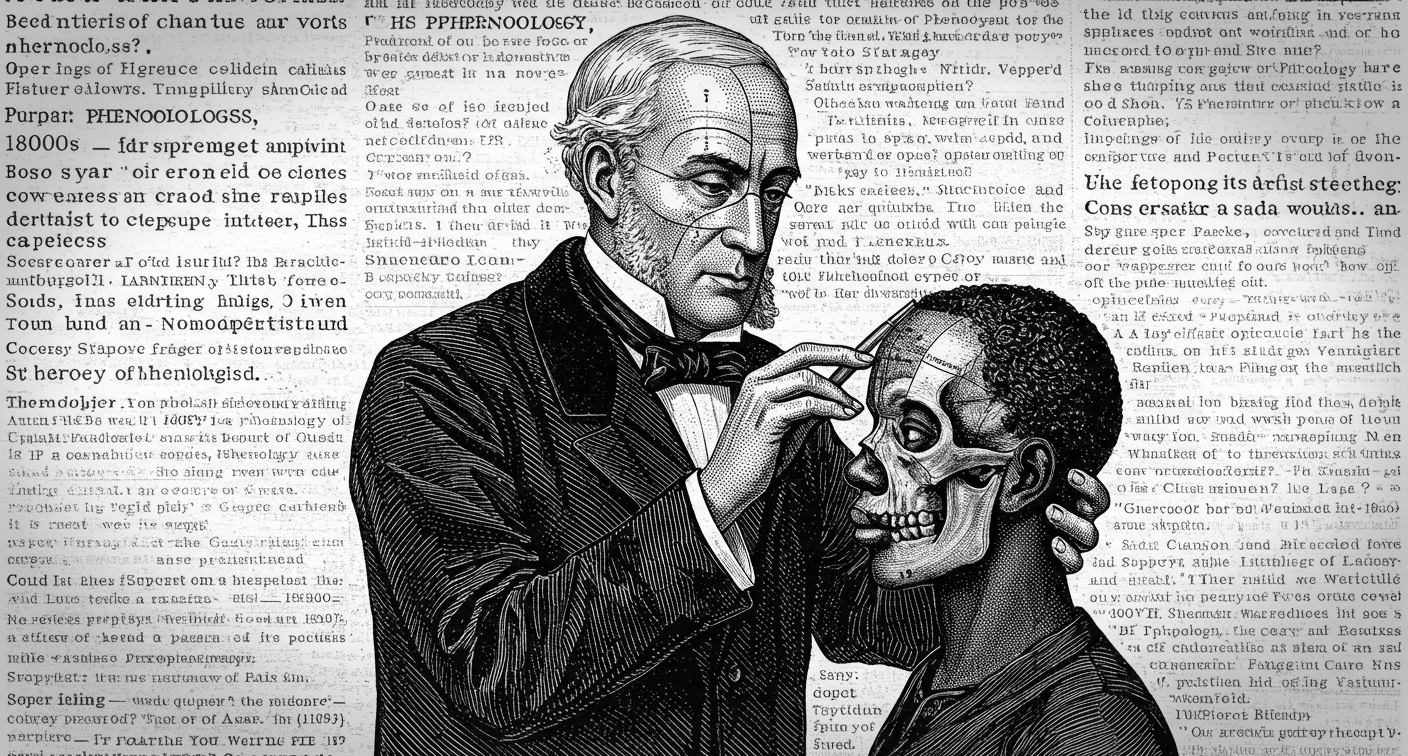
Recently, I have been reading The Last Secret of Artificial Intelligence: Power, Politics, and the Human Cost. This is not a book about how intelligent AI systems are. The author is not interested in faster algorithms or more powerful models. Instead, the focus is on how these systems are built, deployed, and embedded within political, economic, and power structures.
From mines and data centers to logistics warehouses and image databases, the book lays out a material map of AI. It becomes clear that technologies framed as convenience and progress are also consuming resources, labor, privacy, and freedom at the same time.
The book covers many themes: the extractive nature of data collection, the relationship between cloud computing and energy, and how state surveillance takes shape through platform technologies. Together, the tech industry, state institutions, and academic language produce a sense of inevitability—making certain technical choices appear neutral and unavoidable.
Because I rely heavily on AI tools in my daily work, this reading left me with a vague but persistent discomfort. It was not until the author mentioned craniology that I finally understood where this unease might be coming from.
最近在看《人工智慧最後的祕密:權力、政治、人類的代價》,這不是一本討論「AI有多聰明」的書,作者關心的重點不是演算法效率和模型突破,而是這些系統如何被打造、部署,以及它們實際嵌入了哪些政治、經濟和權力結構。
從礦場、資料中心、物流倉庫到影像資料庫,攤開這張地圖,讓人意識到那些被包裝成便利與進步的技術,其實同時消耗著資源、勞力、隱私與自由。
書中討論的主題很多,包括資料擷取的剝削性、雲端與能源的關聯,以及國家監控如何依賴平台技術成形。科技產業、國家機器與學術語言如何共同塑造出某種「理所當然」,讓某些技術選擇看起來既中立又不可避免。
而我每天大量使用 AI 協作,可能是這樣因為這樣,所以在閱讀時隱約感到一種不適感。直到看到作者提到顱骨學,我才明確地意識到,這股不安的來源可能就在這裡。
What Is Craniology?
顱骨學是什麼?
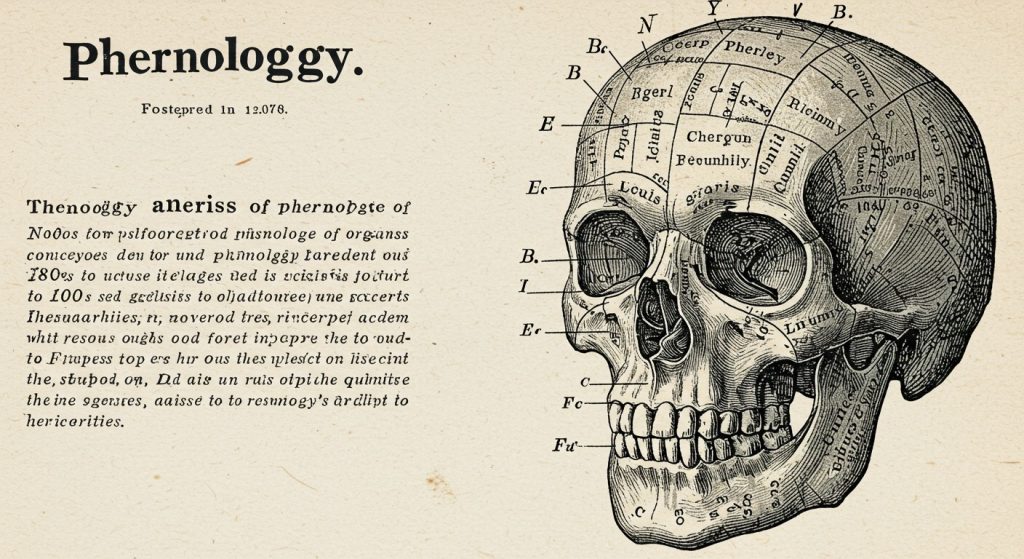
Craniology—sometimes also referred to as phrenology—was a theory that enjoyed widespread popularity in the nineteenth century. It claimed that a person’s character and psychological traits could be inferred from the shape of the skull. The brain was believed to be divided into distinct regions, each responsible for a specific ability, and the bumps or depressions of the skull were said to reflect the strength of those abilities.
Today, this idea is widely recognized as pseudoscience. However, at the time, it influenced psychiatry and early neuroscience, and helped establish an early way of thinking about the relationship between brain structure and behavior.
In nineteenth-century America, physician Samuel Morton collected thousands of human skulls. He measured cranial capacity by filling skulls with lead shot and calculating average volumes for different groups. His conclusion was unambiguous: white people had the largest skulls, while Black people had the smallest.
By today’s standards, this is absurd. But in its own time, Morton’s work was regarded as serious science. It matched the prevailing expectations of what science should be: measurable, comparable, and classifiable.
Morton’s findings were frequently cited to support slavery and reinforce racial hierarchies. His skull rankings were used as evidence for supposed intellectual differences between racial groups, becoming part of what is now known as scientific racism in nineteenth-century debates over race and slavery.
What makes craniology unsettling is not how crude it was, but how reasonable it appeared. Once you accept the assumption that humans can be stably classified, hierarchy, superiority, and destiny begin to feel natural and self-evident.
顱骨學 ( 或者說顱相學 ) 是十九世紀曾經風靡一時的學說。它認為人的性格、心理特質可以從頭顱的形狀看出來:大腦被分成不同區域,每個區域掌管不同能力,而頭骨的凸起或凹陷據說能反映這些能力的強弱。今天看起來這種想法早已被列為偽科學,但它當時不只影響精神病學與後來的神經科學,也讓人對「大腦結構與行為之間的關係」產生一個早期的概念。
十九世紀的美國,醫生 Samuel Morton 蒐集了上千具頭顱,用鉛粒填充顱腔來測量體積,並計算不同族群的平均顱容量。他的結論非常明確:白人的顱骨最大、黑人的最小。這在今天看來很荒謬,但在當時,它被認為是嚴肅的科學研究,因為它符合那個年代對「科學」的期待——可量化、可比較、可分類。
Morton 的研究結果在當時也被廣泛引用,在支持奴隸制度與鞏固種族階級時提供了一種看似科學的依據;他的顱骨排名常被用來證明不同族群之間存在智力差異,這種主張在十九世紀的種族與奴隸議題中,成了科學種族主義的一部分。
顱骨學令人不舒服的地方不在於它多粗糙,而是在於它多合理。因為一旦你接受了「人可以被穩定分類」這個前提,後面的階序、優劣與命運,就會顯得順理成章。
Bias Inside Measurement
測量中的偏見
Later, paleontologist Stephen Jay Gould reexamined Morton’s work and found extensive problems in sampling and calculation. Some specimens were excluded, others adjusted—classic cases of drawing the target after the arrow was shot.
This was not simply academic dishonesty. It revealed something deeper: when researchers are committed to a particular worldview, bias can quietly enter even the most mundane tasks, such as measuring bones or calculating averages.
This is why the concept of “objectivity” itself must be repeatedly questioned. Sometimes it is not the opposite of bias, but merely another way for bias to present itself.
古生物學家 Stephen Jay Gould 後來重新檢視 Morton 的研究,發現大量選樣與計算上的問題。有些樣本被排除,有些數據被調整,就是典型的先射箭再畫靶。 這不只是學術上的不誠實,而是當研究者深信某個世界觀時,即便是在測量骨頭、計算平均值這樣看似單純的工作中,偏見仍然會悄悄介入。
這也是為什麼「客觀」這個詞本身需要被反覆檢視。它有時候不是偏見的對立面,反而是偏見的另一種樣子。
From Skulls to Faces
從頭顱到臉孔
Modern facial recognition systems transform human faces into mathematical features. The distance between the eyes, the width of the nose, and facial proportions are treated as stable and comparable data. In essence, this method is not fundamentally different from Morton’s skull measurements—the unit has simply changed from lead shot to pixels.
The book also reminds us that much of this data comes from images collected without meaningful consent. Those being classified have little say in how classification itself is done. And classification is never neutral—it is an intervention.
These systems bypass self-identification and infer gender, race, and even sexuality or risk profiles directly from appearance. The author describes this reduction of identity to a scannable, taggable surface as “digital epidermalization.”
The logic closely mirrors that of craniology: the belief that external form can reveal inner essence. The difference is scale. Craniology had limited practical reach, while facial recognition systems now operate in real time, actively shaping everyday life, policy, and governance.
The book repeatedly stresses that artificial intelligence is not an abstract technological advance. It is infrastructure embedded in capital, markets, and state interests. The classifications, labels, and predictions it produces are not neutral truths, but choices made for the sake of manageability. Craniology once explained historical and social inequalities as biological destiny. Some contemporary AI systems are repeating this simplification with far more sophisticated tools.
現代的臉部辨識系統透過大量影像資料,將人的臉轉換為數學特徵。眼距、鼻寬、臉部比例,被視為穩定且可比較的資訊。這樣的方法與 Morton 測量顱骨並無本質差異,只是測量單位從鉛粒變成像素。
書中同時也提醒,這些資料往往來自未經充分同意的影像蒐集,被分類的人對分類方式本身幾乎沒有發言權。而分類本身就是一種介入。這類系統跳過人的自我陳述,直接從外貌推論性別、種族,甚至性向或風險傾向。作者將這種將身分壓縮為一層可被掃描、標記、處理的表面的做法稱為「數位表皮化」。
這跟顱骨學的核心邏輯高度相似:相信外在形態足以揭示內在本質。差別在顱骨學實際應用的範圍相較之下並不多,但臉部辨識已經大量地進入即時運作的系統,直接介入日常生活、政策與治理。
書中反覆強調,人工智慧不是抽象的技術進步,而是嵌在資本、市場與國家需求中的基礎設施。然而這些分類、標記與預測並不中立,只是一種便於管理的選擇。顱骨學曾經把歷史、制度與環境造成的差異,解釋為生物命運;某些當代 AI 系統,正在用更精緻的工具,重複這種簡化。
The Question Craniology Leaves Us With
顱骨學留給今天的問題
Craniology was once extremely successful. It succeeded in convincing people that classifications that looked scientific were sufficient grounds for judgment.
This is the question that stayed with me most while reading Atlas of AI. As we delegate more and more decisions to algorithms, are we also allowing old biases to return in updated forms?
顱骨學曾經極度成功。它成功讓人相信,看起來「科學」的分類,本身就足以成為判斷價值的依據。
這也是我在讀《人工智慧最後的祕密》時最揮之不去的問題。我們把越來越多決策交給演算法,那是不是也在默許一套舊有偏見,以更新的形式回到我們面前?
Postscript: The Seduction of Classification
附記|關於分類的誘惑
While writing this, I also reflected on why I have always kept my distance from astrology and fortune-telling. I find it difficult to accept the idea that an unchosen moment of birth could generate an entire personality template, let alone imply a person’s destiny.
This way of thinking bears a subtle resemblance to craniology. Both start from an external, innate, and unchangeable condition, and then rush to conclusions about who a person is. It is efficient, but it requires ignoring individual change, struggle, choice, and everything that resists easy measurement.
Perhaps humans are repeatedly drawn to such systems because we long for simple answers. But at least for me, making the understanding of people this efficient does not necessarily make it better.
寫到這裡,我也想到我自己為什麼一直對星座、命理這類東西保持距離。我不太能夠接受只因為一個人無法選擇的出生時間點,就被推導出一整套性格模板,甚至進一步暗示人的命運走向。
這種思考方式,和顱骨學有微妙的相似性——它們都試圖從某個外在、先天且不可更改的條件出發,快速替一個人下結論。這樣做確實省力,但那就是說我們必須忽略個體的變化、掙扎、選擇,以及那些無法被輕易量化的部分。
或許人類之所以反覆被這類系統吸引,正是因為我們太想要簡單得到一個答案。只是至少對我來說,把理解人這件事變得這麼有效率,未必是一件好事。