Morinaga and Modern Japanese Candy Industry
The sea wind of Nagasaki port always carried a mix of salty and sweet smells. In 1865, Morinaga Taiichiro was born in this trading city known for foreign connections since Edo period. When Emperor Meiji started modern reforms, young Morinaga grew up in Nagasaki, where the Dutch trading post was located. The colorful candies in glass jars planted a dream in his heart: to change Japan’s sweet culture.
A Candy Pioneer’s Journey
In 1888, 23-year-old Morinaga boarded a steam ship to San Francisco. This trip changed Japan’s candy history forever. In American candy factories, he saw caramel boiling in copper pots and machines shaping syrup into perfect cubes. This was very different from traditional Japanese sweet-making methods.
After 10 years learning, he returned to Tokyo in 1899. His first product—canned caramel—failed because most Japanese thought milk products were medicine, not food.
The big change came during 1905 Russo-Japanese War. Morinaga made portable milk candies and advertised them in Asahi Newspaper as “energy for soldiers.” With each piece costing only 3 sen (old Japanese money), these candies became popular nationwide.
Sweet Strategies in Changing Times
Morinaga’s success matched Japan’s modernization:
- When Japan adopted Western company systems, Morinaga became a corporation in 1909
- When canned milk production grew, Morinaga perfected milk-to-sugar ratios
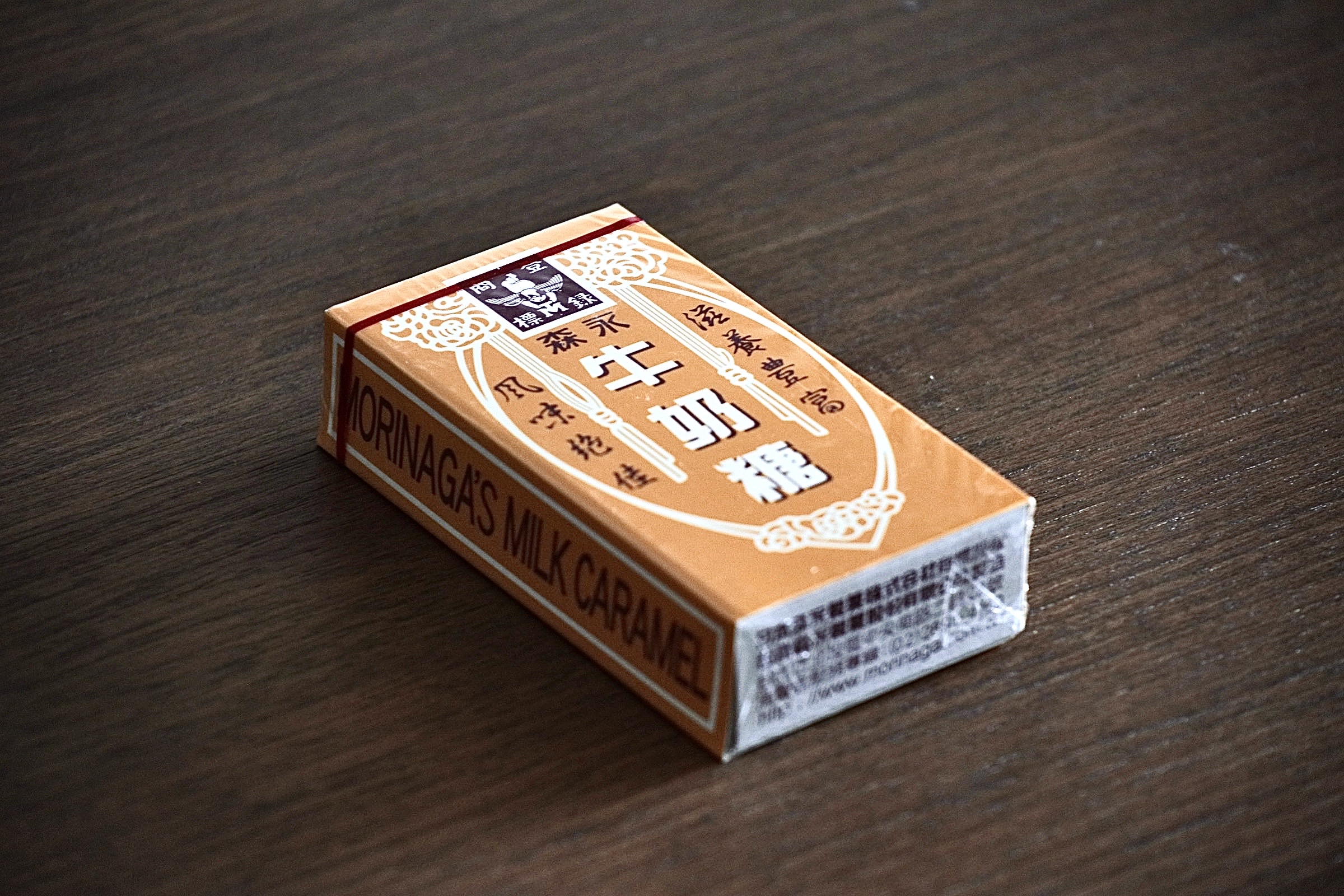
- Their 1910 milk candy tin showed Western-style gentlemen and ladies—a sign of Japan becoming more modern
The 1923 Great Kanto Earthquake tested the company. While many buildings collapsed, Morinaga’s Yokohama factory survived because of strong steel frames. They restarted production in 3 days, giving out candies with disaster relief supplies.
From War to Peace: A 100-Year Brand
World War II stopped candy production. In 1944, Morinaga factories made military biscuits instead. After the war, American soldiers brought chocolate to Japan. Morinaga quickly made affordable chocolate bars costing 10 yen.
By 1950s, TV commercials made Morinaga’s “Angel” mascot famous. Their jingle became part of Japan’s postwar economic growth memory.
Conclusion
From Meiji to Reiwa era, Morinaga’s candies tell Japan’s modernization story:
- A Nagasaki boy’s foreign dream
- Wartime marketing strategies
- Postwar industrial changes
As Morinaga Taiichiro said: “Though small, sweets mirror civilization.” Each milk candy carries 150 years of Japan’s sweet-and-bitter journey toward modernity.
明治甜味革命:森永太一郎與近代日本製菓業的誕生
長崎港的海風,總帶著異國氣息的鹹甜。1865年,森永太一郎誕生於這個江戶時代便以「出島」聞名的貿易之城。當明治天皇頒布《五條御誓文》開啟維新變革時,少年森永在荷蘭商館所在的長崎成長,西洋玻璃罐裡的彩色糖果,在他心中種下改變日本甜食文化的種子。
跨洋求索的製菓先驅
1888年,23歲的森永登上駛向舊金山的蒸汽船,這趟旅程徹底改寫了日本甜食史。在美國西岸的糖果工坊裡,他親見焦糖在銅鍋中翻滾成金黃絲綢,機械模具將糖漿塑成整齊方塊——這種工業化生產的震撼,遠超江戶時代和菓子匠人手持茶筅的慢工細活。十年間,他從學徒晉升技術骨幹,更洞悉到明治日本對西洋食品的渴望:當政府推行「肉食開化」鼓勵喝牛奶時,森永已構思著如何將煉乳融入糖果配方。1899年歸國後,他在東京神田設立「森永西洋菓子製造所」,首推的罐裝焦糖卻遭遇慘敗。彼時多數日本人視乳製品為藥用品,濃郁奶香反被譏為「腥羶怪味」。轉機出現在1905年日俄戰爭期間,森永將牛奶糖改良為便攜小塊,透過《朝日新聞》刊登「行軍能量補給」廣告,讓這款每塊僅3錢的甜食,隨著帝國陸軍的勝利號角攻佔全國市場。
時代巨輪下的甜蜜戰略
森永的成功密碼,深嵌在明治維新的現代化齒輪中。當澀澤榮一引進股份公司制度時,森永製菓已在1909年完成株式會社化;當橫濱煉乳會社開始量產罐頭時,他們的牛奶糖配方正精算著奶脂與蔗糖的黃金比例。更具歷史深意的是1910年「森永牛奶糖」鐵罐包裝——印著戴禮帽的紳士與陽傘淑女,恰是日本從「和魂洋才」轉向全面西化的消費隱喻。1923年關東大地震成為關鍵轉折。當三越百貨的磚牆在震災中倒塌時,森永的橫濱工廠卻因鋼筋結構倖存。他們在災後三日便重啟生產,將焦糖塊與救濟糧同步發放。這種敏捷應變,源自森永早年在舊金山目睹1906年大地震的經驗——災難管理竟意外成為品牌信賴感的催化劑。
戰火淬鍊的百年品牌
太平洋戰爭的硝煙曾暫停這部甜蜜史詩。1944年,森永工廠被徵用生產軍用壓縮餅乾,但戰後麥克阿瑟的進駐車隊,卻帶來更深刻的變革。當美國大兵嚼著好時巧克力走過銀座廢墟時,森永迅速引進滾印包裝機,將戰前昂貴的板狀巧克力變成10日圓的平民零嘴。1950年代電視廣告的開播,更讓「森永天使」代言人哼唱的廣告曲,成為經濟高度成長期的世代記憶。從明治到令和,森永製菓見證的不只是糖果配方演進。當我們拆開那經典包裝的牛奶糖,咀嚼的是日本近代化的縮影——長崎少年的西行求夢、帝國崛起的消費動員、戰後復興的產業革新,全都凝鍊在這塊3公分的乳褐色方糖之中。正如森永太一郎在創業宣言所述:「菓子雖小,卻是文明之鏡。」這面糖鏡映照的,正是整個民族追逐現代化的甘苦歷程。