Does a Leader’s Escape Mean Freedom?
領導人逃亡,人民就自由了嗎?
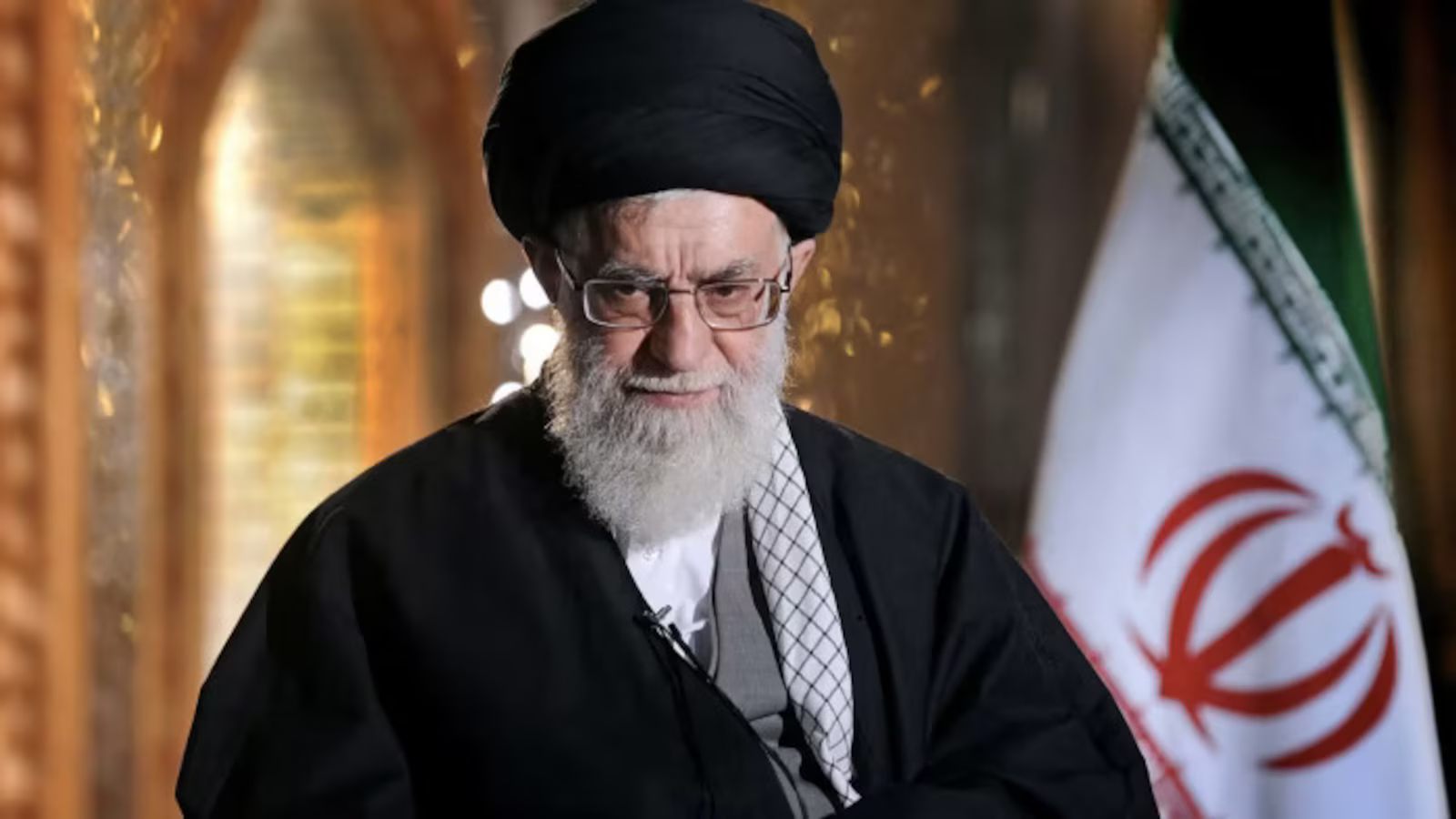
Today, an unconfirmed report said Iran’s top leader, Khamenei, had escaped to Russia. Many people online quickly said, “Iran is going to be free!”
But let’s think again:
Does one man leaving really mean freedom for a country?
A leader is not the whole system. A government is built on values, education, religion, and what people accept. Khamenei may be the face of power, but the system that supports him was created and allowed by the society itself.
今天一則未經證實的消息在網路上瘋傳:伊朗最高領導人哈梅內伊已逃往俄羅斯。許多人馬上歡呼:「伊朗終於要自由了!」
但如果我們再試著想深一點:
一個人離開,真的代表整個國家獲得自由了嗎?
我認為領導人不是整個體制。政府是建立在價值觀、教育、宗教與人民默許之上的。哈梅內伊也許是權力的象徵,但支持他存在的系統,其實是整個社會共同建立與接受的。
What Happened in Afghanistan?
鏡子中的阿富汗:當領導人消失,自由也跟著來了嗎?
In 2001, the Taliban lost power in Afghanistan. Many people were happy and hoped democracy would come. But 20 years later, the Taliban returned quickly, without fighting.
Why?
Because the Taliban is not just a group. It is an idea. It is about power, religion, and fear. If people’s thinking does not change, the system stays the same.
Freedom is not only about removing a leader. It’s about changing how people think.
2001 年,塔利班政權在阿富汗垮台,許多人感到很高興,認為民主時代要來了。但二十年後,塔利班幾乎沒開一槍就重新掌權。
為什麼?
因為塔利班不只是一群人,而是一種觀念:對權力的服從、對宗教的絕對信任、對自由的害怕。當人民的思想沒有改變,體制也不會真正改變。
自由不是推翻一個人,是改變整個社會的思維方式。
Do People Get the Leaders They Deserve?
一個值得這樣領導人的社會?
This may sound hard, but it is important:
Sometimes, people get leaders who reflect their values.
In Iran, many people still agree with rules that hurt women, silence voices, and punish different beliefs. It is not just the leaders who support this—it is also families, teachers, and neighbors.
When the prison is built in the mind, changing the guard won’t open the door.
這句話或許不好聽,但值得思考:
有時候,一個國家的領導人,其實反映了這個社會的價值觀。
在伊朗,許多人仍支持壓迫女性的法律、打壓異議者的行為、排斥不同信仰的制度。支持這些的,不只是領導人,還包括普通的父母、老師與鄰居。
當人們本來就築起一座牢籠,換掉守衛也是無法打開大門的。
Freedom Needs More Than a Crisis
自由不是用某人逃跑換來的
Real freedom is not quick or easy. It takes time and responsibility.
You must allow other people to speak—even when you disagree. You must vote for ideas, not for religion or family. This is not easy, but this is freedom.
真正的自由不是一夜之間到來的,它需要時間與責任。
必須願意讓別人說話——即使你不同意他。你要在投票時選擇理念,而不是宗教或血緣。這並不容易,但那才是真正的自由。
Before Freedom Comes Reflection
自由之前是反省
If Khamenei really leaves, that will be the end of an era. But freedom does not come just because one person is gone.
The real question is:
Are the people ready for freedom?
That means asking hard questions:
What did we accept before?
What did we stay silent about?
What did we ignore?
Freedom always has a price. And that price is thinking, choosing, and changing.
如果哈梅內伊真的逃亡了,那也只是舊時代的結束。真正的自由不會因為一個人消失而自動出現。
真正的問題是:
人民準備好迎接自由了嗎?
那代表人們要勇敢面對一些問題:
我們曾經默許了什麼?
曾經選擇不說話的時候是什麼?
我們錯過了什麼?
自由永遠有代價,而那個代價是 思考、選擇與改變。
The Return of Persia’s Soul
波斯靈魂的回歸
Iran was not always what it is today. Long before it became a theocracy, it was Persia—cradle of poetry, astronomy, tolerance, and law. From the Achaemenid Empire to the Sassanids, Persia stood as a beacon of wisdom and culture in a world still struggling to find its light.
That legacy is not erased. It waits, buried beneath decades of fear and dogma, to be reclaimed.
True freedom will not come from Moscow or Washington, nor from tanks or sanctions. It will come when Iranians remember who they truly are—not the subjects of mullahs, but the heirs of Cyrus, Hafez, and Avicenna.
When they rise, not just against a man, but for the universal values of dignity, compassion, and justice—then, and only then, will Persia return.
伊朗並不一直都是今天這個樣子。在成為神權國家之前,它曾經是波斯——詩歌、天文、寬容與法治的搖籃。從阿契美尼德王朝到薩珊帝國,波斯曾是世界仍陷於黑暗時的一盞文明明燈。
這份遺產也許從來沒有被抹去,它只是被掩埋在數十年的恐懼與教條之下,等待人們重新擁抱。
真正的自由不會從莫斯科或華盛頓而來,也不會靠坦克或制裁帶來。它應該自伊朗人民重新記起自己是誰——他們不是神職人員的順民,而是居魯士、哈菲茲與伊本·西那的繼承人。
當他們不只是起身反抗某個人,而是為了人的尊嚴、慈悲與正義這些普世價值而奮起時,波斯才會真正歸來。