Many of my friends know that I am, without doubt, a “Mandarin-from-China word policeman.”
When my dad says shipin (視頻), I immediately remind him: “It’s yingpian (影片)!” When a colleague says Upan (U盤), I correct it to “USB flash drive” (suishen die 隨身碟). Some may think I’m nitpicking, but for me, the choice of words matters—especially when those words already exist in our language.
很多朋友都知道,我就是那種不折不扣的「支語警察」。
我爸說「視頻」的時候,我會立刻提醒:「是『影片』!」;同事說「U盤」,我也會糾正「隨身碟」。有些人可能覺得我這樣有點吹毛求疵,但對我來說,選擇用什麼樣的詞彙很重要,特別是那些詞彙我們原本的語言中就有。
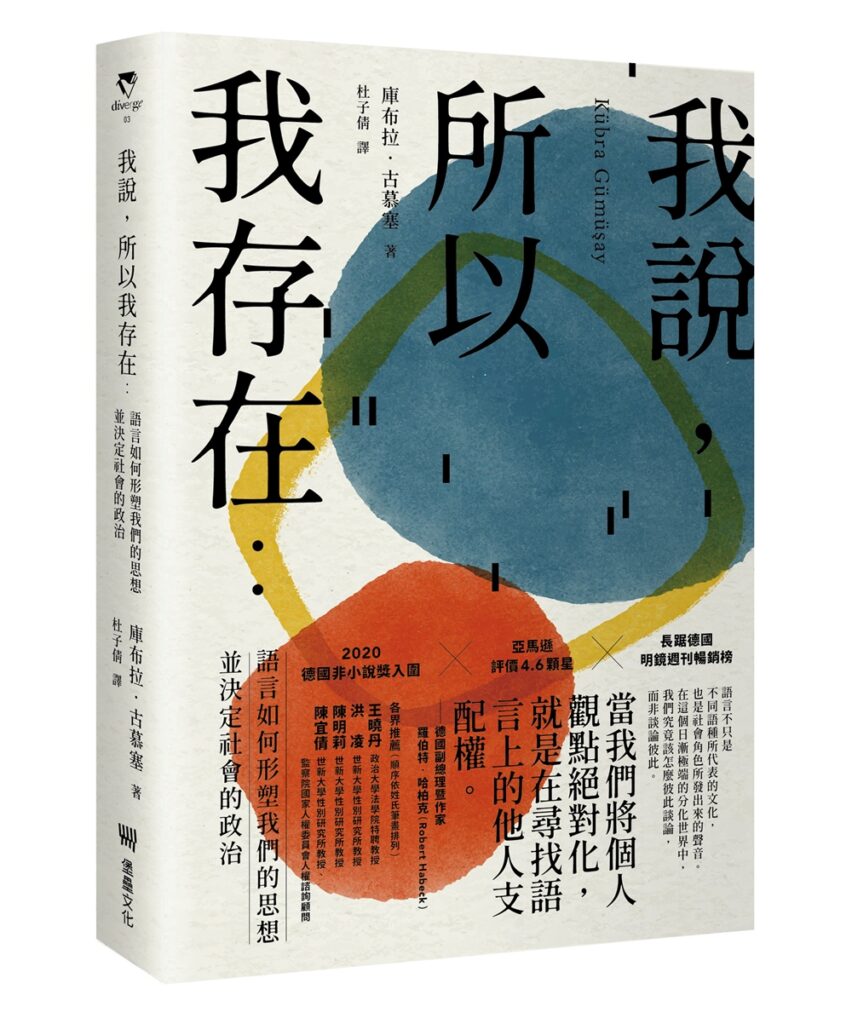
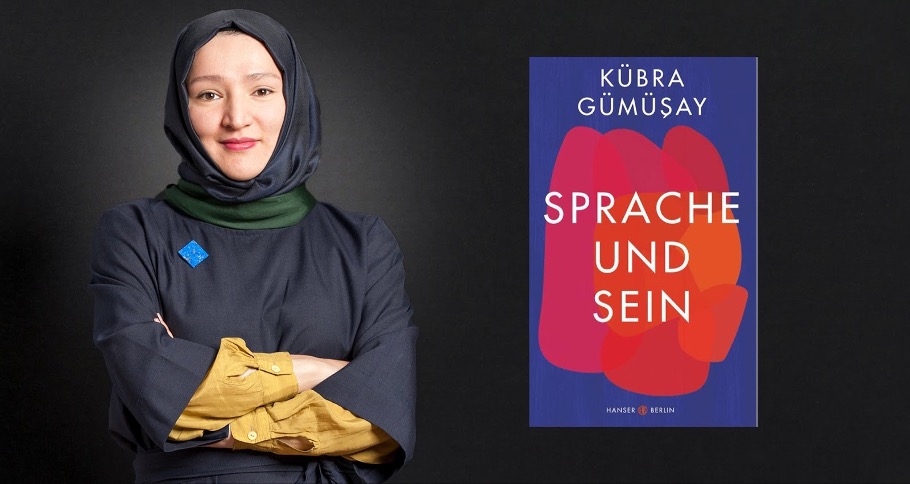
When I read Kübra Gümüşay’s book Language and Being (original German title Sprache und Sein), one line struck me deeply: “The boundaries of my language are the boundaries of my world.” Language is not only a tool for expression—it also defines how we can think and feel.
讀庫布拉.古慕塞的《我說,所以我存在:語言如何形塑我們的思想並決定社會的政治》(原著德文名 Sprache und Sein)時,作者說的:「我的語言界線,就是我的世界界線。」這句話讓我特別有感。語言不只是表達想法的工具,它同時也在定義我們能怎麼想、怎麼感受。
For me, the issue with Chinese expressions is not just “different vocabulary.” It’s that they often flatten subtle distinctions. Many words that once carried nuanced meanings are simplified into a single term. This “convenience of uniformity” may seem harmless, but it gradually erodes the richness of language, limiting our understanding and imagination. It reminds me of George Orwell’s 1984 and the concept of “Newspeak”: when certain words are erased, people lose the ability to imagine the concepts behind them. If the word “freedom” disappears, the idea of freedom itself becomes almost impossible to think. In a way, the simplification tendency of Chinese expressions mirrors this logic of “erasing differences.”
對我來說,中國用語的問題不僅僅是「詞彙不同」,而是它經常傾向於把細緻的差別統一化。許多原本能表達不同層次的詞彙,被簡化成單一說法。這種「統稱式的便利」看似無害,卻慢慢削弱了語言的豐富性,進而限制了我們對世界的理解與想像。這也讓我想到歐威爾在《1984》裡寫的「新語」:當某些詞彙被拿掉,人就會失去對應的思考能力。如果連「自由」這個詞都不存在,那「自由」這個概念也很難在腦中形成。某種程度上,中國用語的簡化傾向,和這種「刪掉差異」的邏輯不無相似之處。
Gümüşay also highlights the power of the “namer”: whoever decides the “standard” expression holds the power to define reality. If Chinese expressions are increasingly regarded as the only “correct” usage, then Taiwanese language risks being marginalized. My corrections are really just a small way of reminding people—there are other possibilities, language doesn’t have to be just one way.
古慕塞也特別提到「命名者」的權力:誰能決定一個詞的標準說法,誰就擁有定義世界的主導權。如果中國用語逐漸被視為「唯一正確」的說法,那麼台灣的語言就會被邊緣化。我的糾正,其實就是在小小地提醒──語言還有別的可能,不必只有一種。
Of course, I know these corrections can sometimes be annoying. Some people think I’m “too sensitive” or “making a fuss.” And as the book discusses, this kind of resistance can be exhausting. Gümüşay wrote that she often spent so much energy countering prejudice that she felt endlessly fatigued. I sometimes feel the same. Yet I believe that if we stop caring, language change will quietly take away things we once valued.
當然,我也知道這樣的糾正有時會顯得煩人。有人可能會覺得我「太敏感」或「小題大作」,而書裡也談到,這種對抗往往會帶來疲憊。古慕塞寫到她經常需要耗費心力去反駁偏見,最後覺得無止境地疲倦。我偶爾也會有這種感覺。但同時我也相信,如果我們完全不在意,語言的流變往往會悄悄帶走一些我們本來珍視的東西。
And this is not just about “vocabulary.” Language shapes how we see the world, and also how we argue and reason. When words are overly simplified, or loaded with hidden assumptions, our discussions risk being constrained—sometimes overlooking what truly matters in the differences. This is the trap of language: it makes us believe we are freely expressing ourselves, while often we are only moving along a track that has already been laid out.
這不只是「詞彙」的問題。語言影響我們看待世界的方式,也決定我們能怎麼辯論、怎麼思考。當某些字詞被過度簡化,或帶著特定的預設立場時,我們的討論就可能被框限,甚至忽略了差異中真正重要的部分。這就是語言的陷阱:它讓我們以為自己在自由表達,其實很多時候只是沿著被劃定的軌道前進。
That is why I hope Taiwan can continue to preserve linguistic diversity and freedom. It’s not just about speaking habits—it is the foundation of our ability to express and think freely. Only with a language that remains diverse and nuanced can we clearly see different perspectives, instead of being led by a single narrative.
因此我希望台灣能夠持續保有語言上的多樣性與自由,不只是講話的習慣,那是我們自由表達、自由思考的基礎。唯有語言多元而細膩,我們才有能力清楚看見不同的觀點,而不是被單一的語言或敘事牽著走。